
The Technology Programs at Southern Arkansas University, Industrial Technology (ITEC) and Engineering Technology (ETEC), emphasize applied, hands-on learning designed to prepare students for today’s technical workforce.
Through immersive labs, real-world projects, and close faculty mentorship, students gain the practical skills and experience needed for successful careers in industry, technology, and engineering-related fields.
Student Life & Hands-On Learning
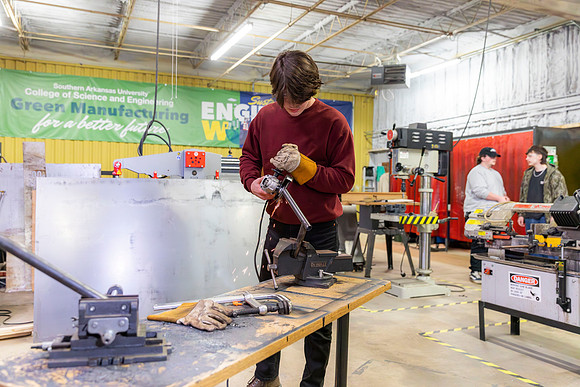
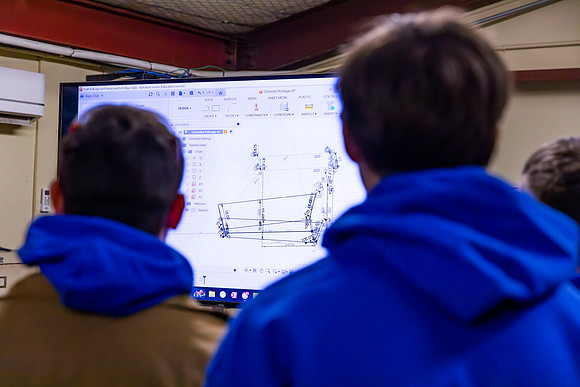
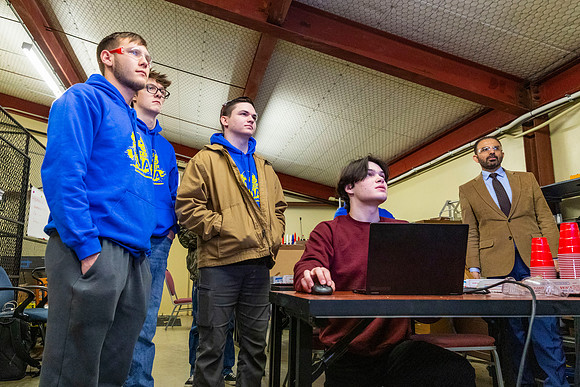
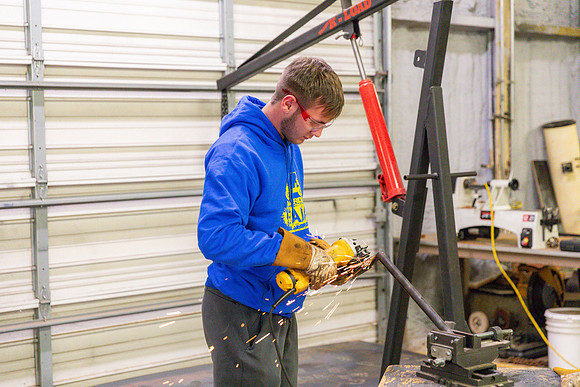
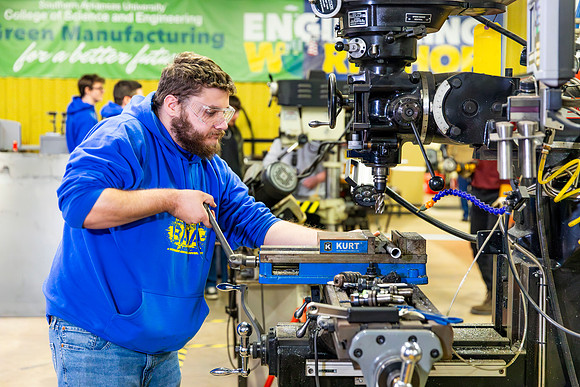
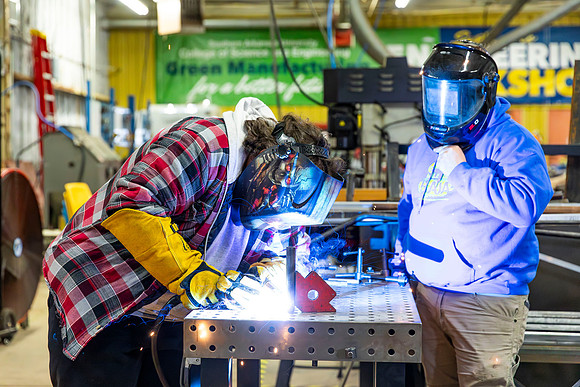
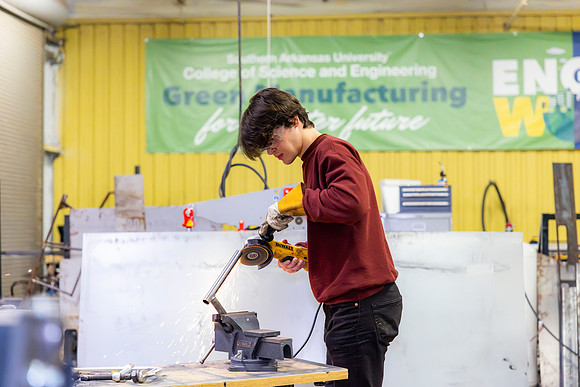
Students in a Technology program at SAU spend as much time building and testing as they do learning theory. Through labs, collaborative projects, and industry-relevant coursework, students gain practical skills in manufacturing, design, automation, and mechanical systems.
With access to specialized equipment and guidance from experienced faculty, students graduate prepared to step directly into technical careers.
Featured Student Projects
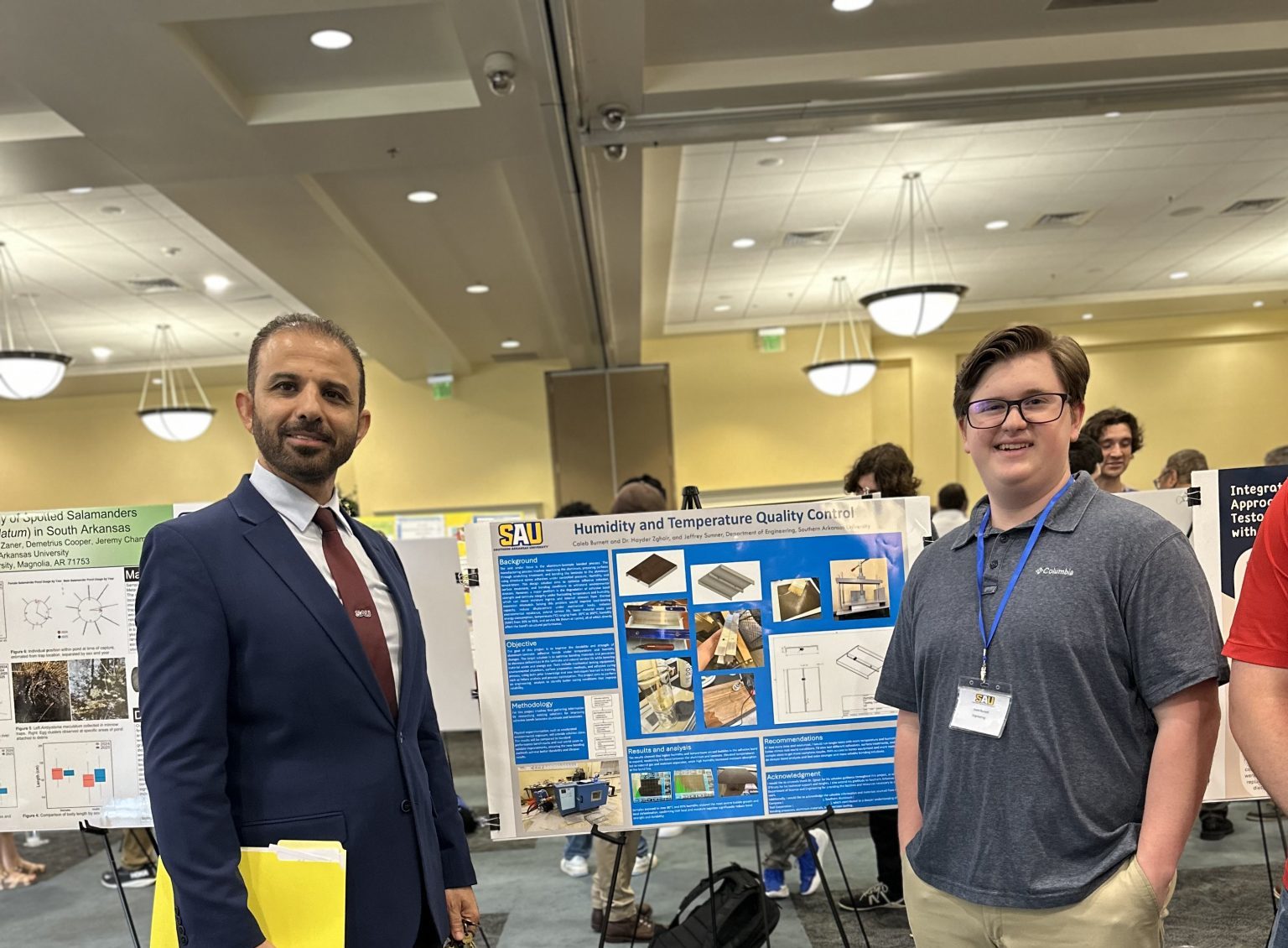
Humidity and Temperature Quality Control for Product Life-cycle Assessment
By: Caleb Burnett | Program: Industrial Technology | Semester: Spring 2025
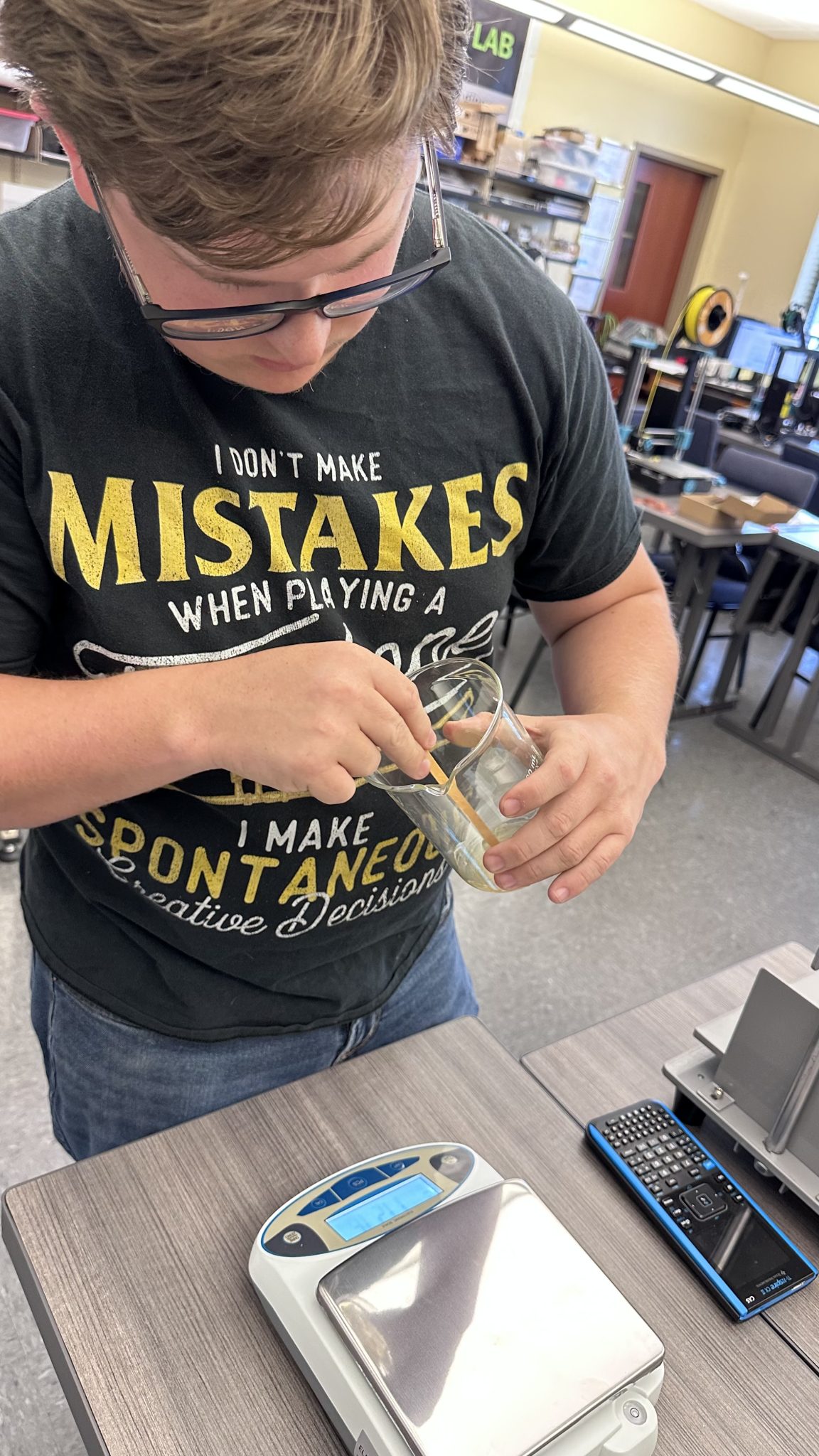
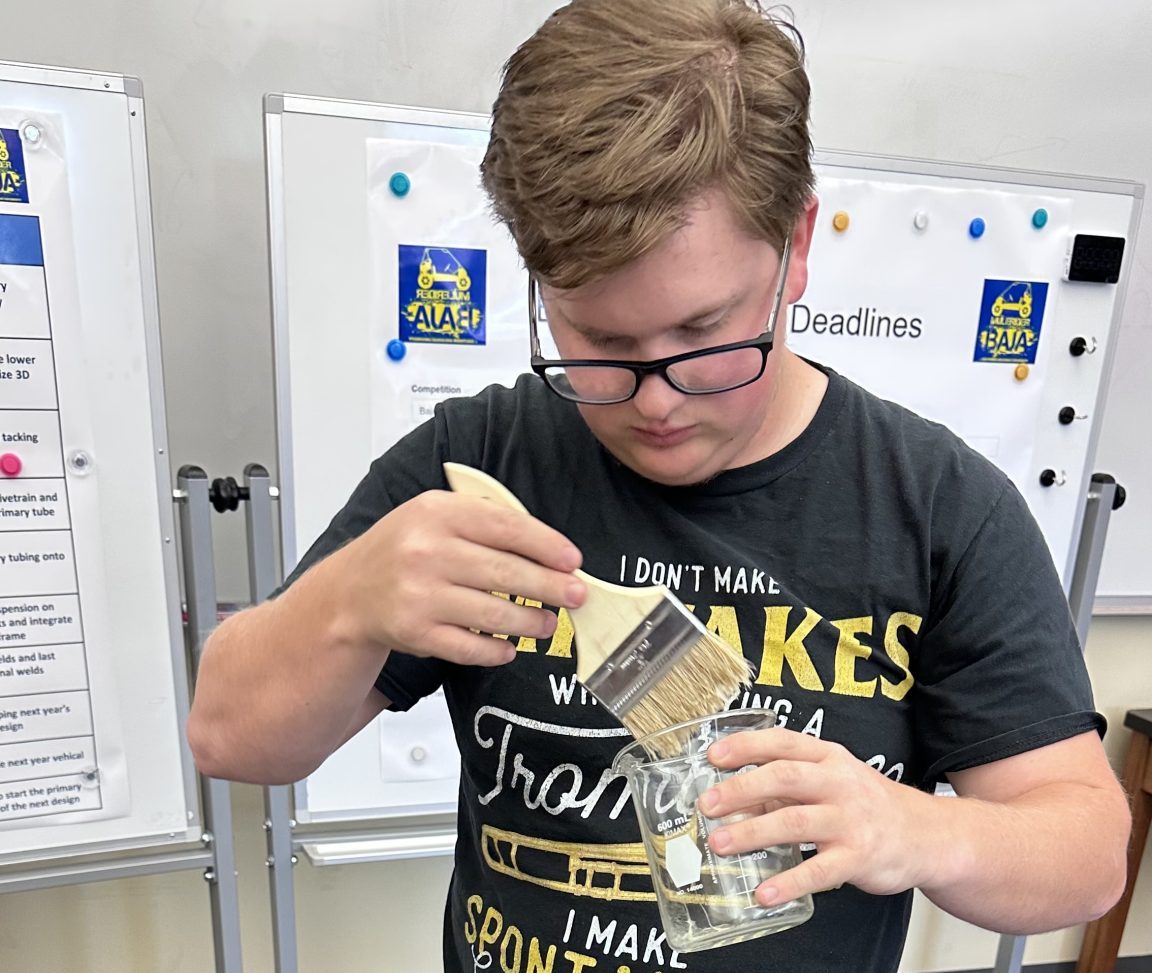
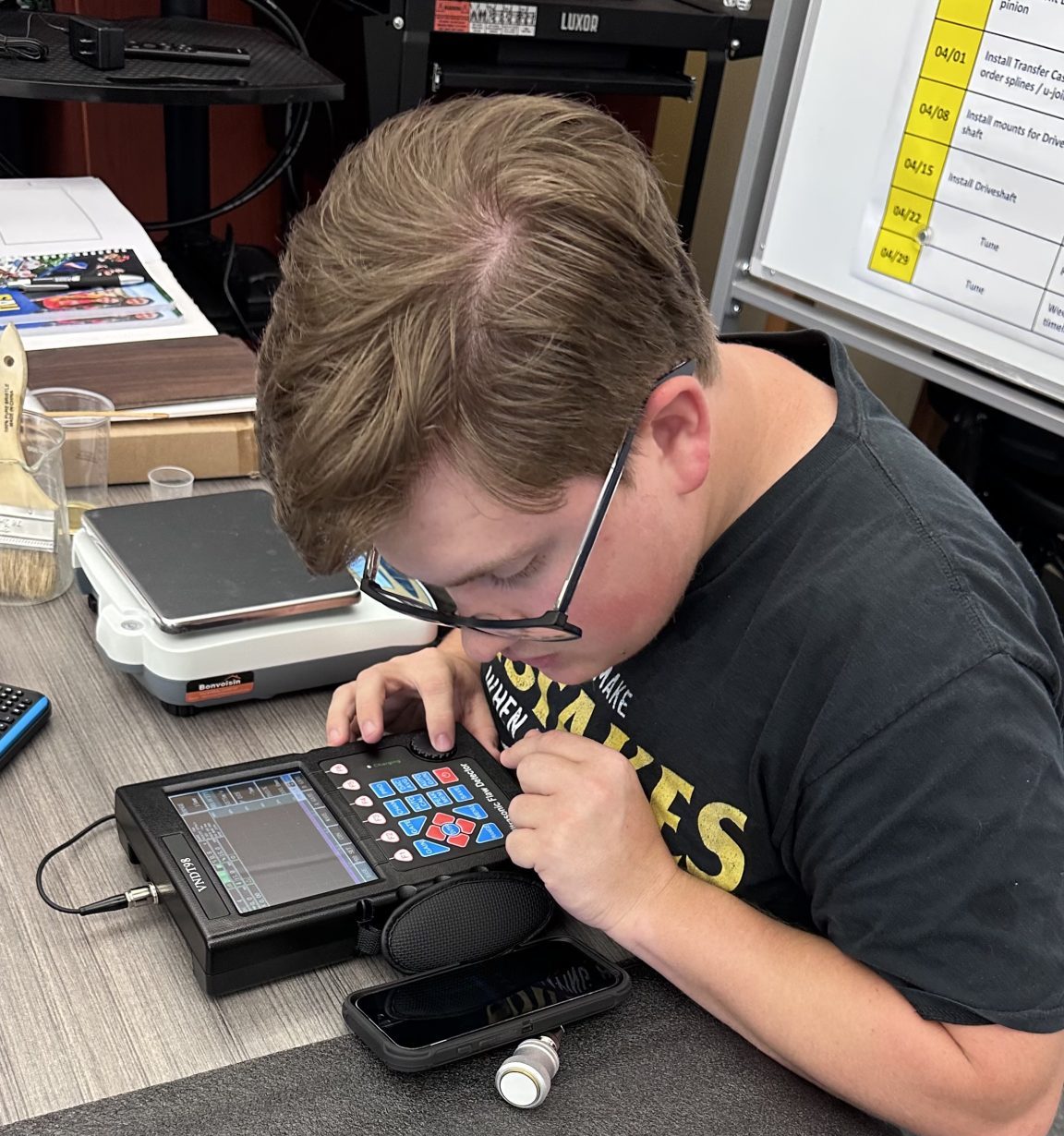
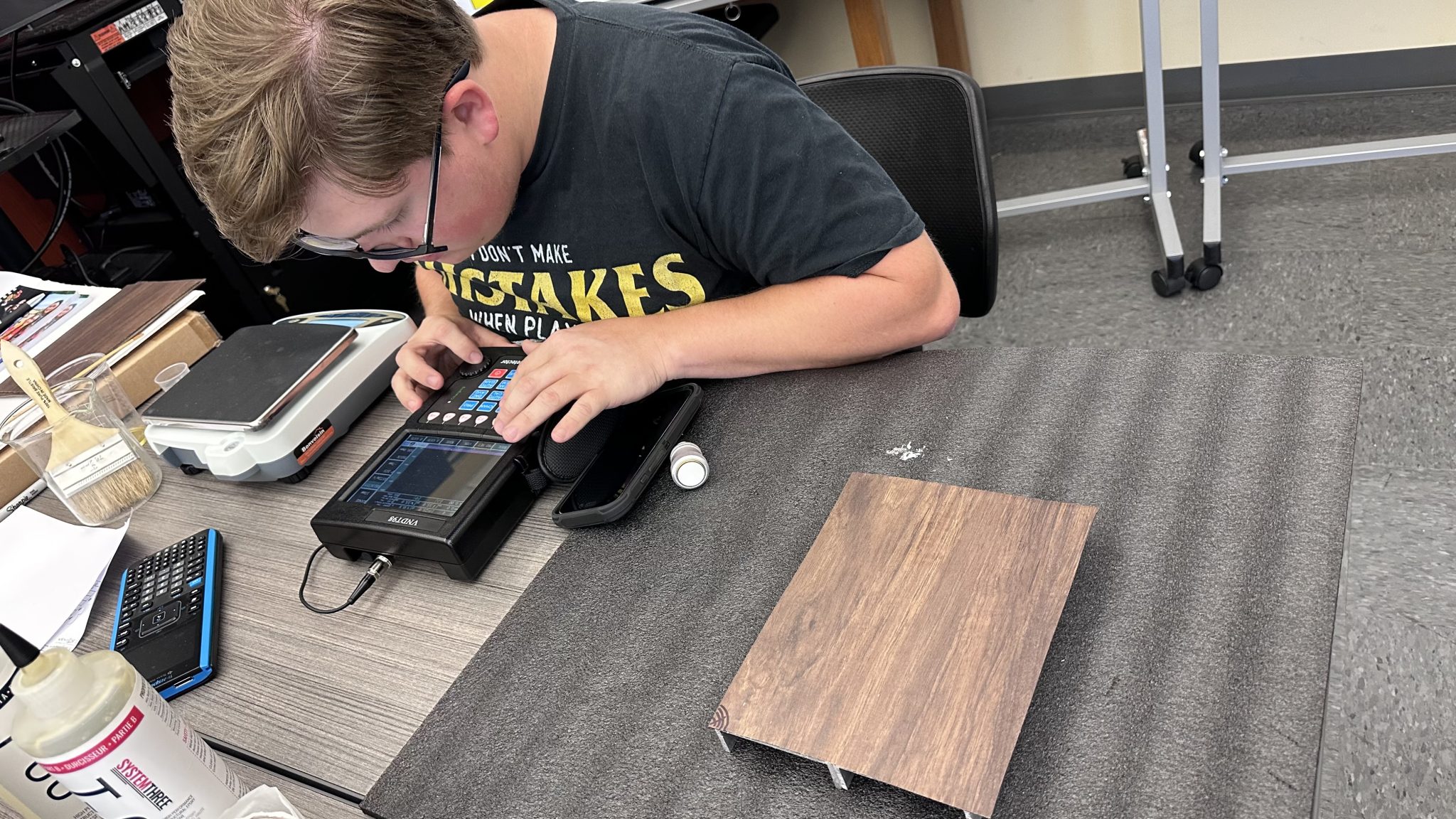
As part of his senior level applied research project, Caleb Burnett explored how extreme environmental conditions, especially humidity and temperature, impact the durability of adhesive bonds used in laminated aluminum components. Using controlled lab testing, he simulated real-world conditions such as high heat and moisture exposure, revealing how they contribute to bubble formation, delamination, and structural failure over time.
His hands-on work included:
1. Preparing samples with structural adhesives
2. Conducting tests in an environmental chamber
3. Documenting degradation through photography and destructive testing
Caleb’s findings support quality control improvements that can extend product life, reduce waste, and improve performance in harsh environments, skills directly aligned with careers in advanced manufacturing, aerospace, and materials testing.
This project reflects the Industrial Technology program’s commitment to applied learning, industry relevance, and sustainability-focused problem solving.
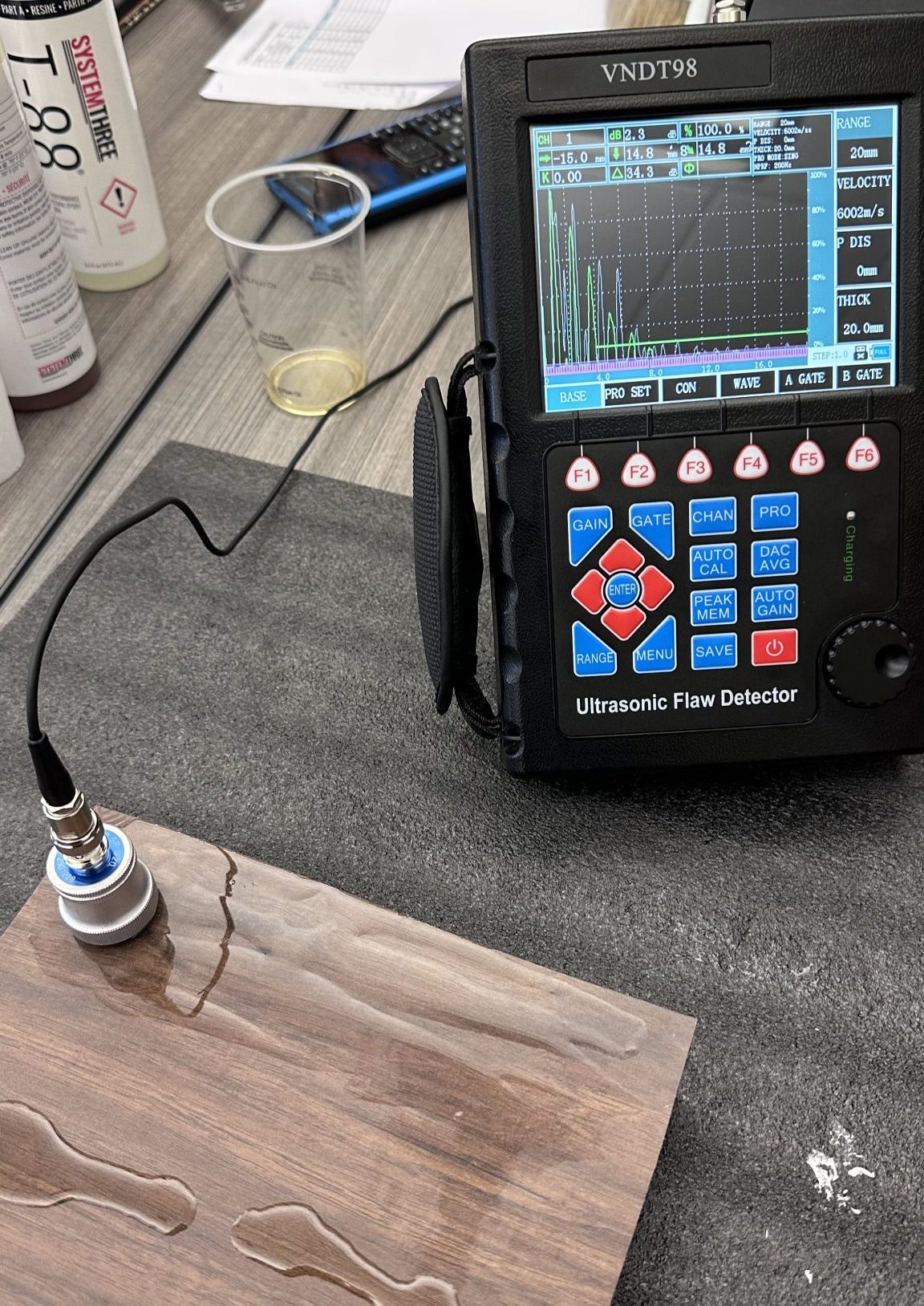
Enhancing 3D Printing Operations through Remote Control Using OctoPrint and RaspberryPi
By: Daniel Jett Riggs | Program: Industrial Technology | Semester: Summer 2024
In this innovative senior project, Daniel Jett Riggs explored how to improve the reliability and efficiency of 3D printing through remote monitoring and control. By integrating a Raspberry Pi with OctoPrint, an open-source interface, he transformed a standard desktop 3D printer into a remotely accessible system, allowing full control and oversight from anywhere.
Daniel conducted performance comparisons between traditional (manual) and remote-controlled printing by evaluating:
1. Print success rate
2. Downtime and user intervention
3. Print quality and material use
Results showed that remote operation significantly reduced errors, increased time, and improved print quality. His work showcases the Industrial Technology program’s focus on real-world problem solving, smart manufacturing systems, and IoT integration, key skills in today’s rapidly evolving tech-driven industries.


Southern Aluminum: Standard Work Instructions to Improve Quality Sustainability
By: Jairus Adams | Program: Industrial Technology | Semester: Spring 2025
As part of his senior level applied project, Jairus Adams partnered with regional manufacturer Southern Aluminum to tackle a real-world challenge: improving quality and consistency on the production floor. He focused on enhancing Standard Work Instructions (SWIs), the step-by-step guides used by operators to complete tasks accurately and efficiently.
Jairus identified key issues, including missing visuals, vague instructions, and lack of timing standards. His solution? Redesigned SWIs with:
1. High-quality annotated photos of each production step
2. Clearly defined Cycle Times to improve efficiency tracking
3. Recommendations for sustainable practices like scheduled reviews and visual onboarding aids
The project helped reduce process variation, enhance employee training, and strengthened quality control, while giving Jairus hands-on experience in technical communication, lean manufacturing, and industry collaboration.
This project exemplifies how SAU’s Industrial Technology program prepares students to solve real industry problems through practical, applied learning.


Design and Manufacturing of 3D Printed Jet Engine
By: Colby Pearson & Collin Smith | Program: Engineering Technology | Semester: Spring 2024
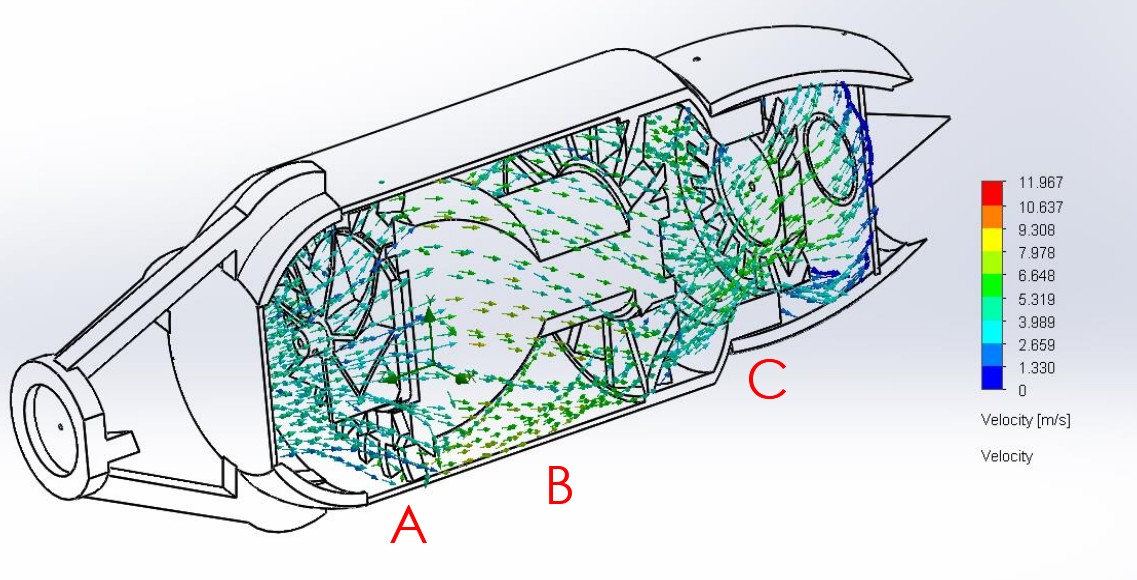
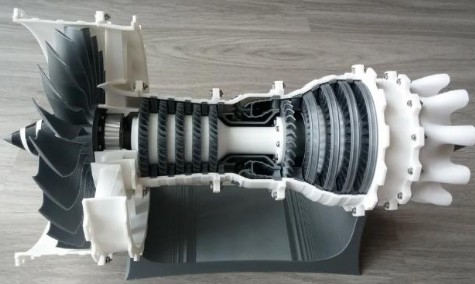
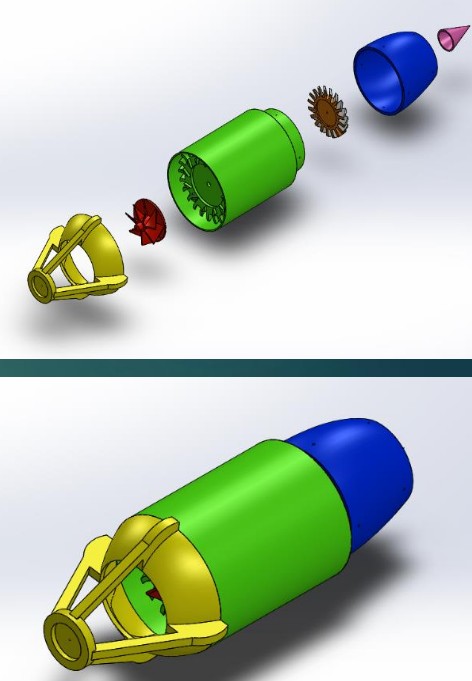
In this standout senior capstone project, Colby Pearson and Collin Smith designed and built a fully modeled micro jet engine using advanced CAD tools and 3D printing technology. Starting from conceptual design in SolidWorks, the students created detailed digital models, performed airflow simulations, and fabricated the engine using additive manufacturing.
1. The team’s work included:
2. Engineering drawings and simulation of airflow velocity and pressure
3. Additive manufacturing of custom-designed components
4. Functional assembly and iterative testing to evaluate performance
Their hands-on approach bridged engineering design theory with real-world fabrication and troubleshooting. This project embodies the core of SAU’s Engineering Technology program, innovation, applied skills, and engineering excellence in a fast-evolving industry.
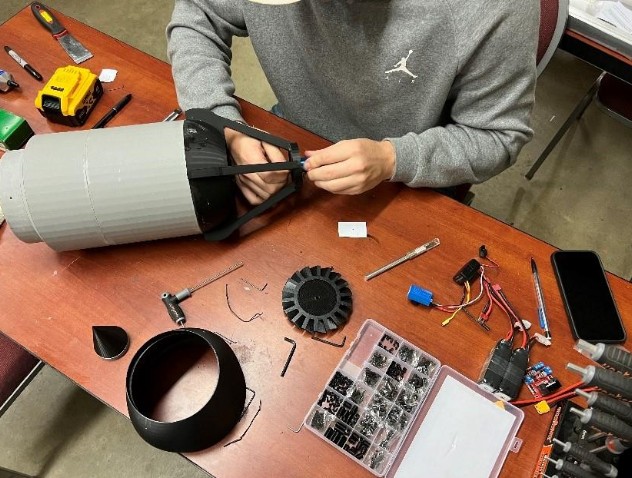
We don’t just sit in classrooms; we build things, solve problems, and learn by doing.
Student Performance & Achievement Information
As part of the Technology Programs’ commitment to continuous improvement and accreditation standards, student performance and achievement data are maintained and reviewed regularly by the Technology Programs.
This information supports program assessment, student success initiatives, and compliance with ATMAE accreditation requirements.
Industrial Technology (ITEC) – Retention & Graduation Rates
| Year | Freshman | Sophomore | Junior/Senior | Overall Retention | 4-Year Grad | 6-Year Grad |
|---|---|---|---|---|---|---|
| 2019 | 67% | 78% | 93% | 86% | 33% | 33% |
| 2020 | 50% | 100% | 90% | 88% | 50% | 50% |
| 2021 | 100% | 57% | 91% | 86% | 50% | NA |
| 2022 | 0% | 57% | 88% | 66% | 0% | NA |
| 2023 | 50% | 88% | 94% | 89% | NA | NA |
| 2024 | 100% | 88% | 92% | 91% | NA | NA |
Engineering Technology (ETEC) – Retention & Graduation Rates
| Year | Freshman | Sophomore | Junior/Senior | Overall Retention | 4-Year Grad | 6-Year Grad |
|---|---|---|---|---|---|---|
| 2019 | 44% | 0% | 100% | 71% | 20% | 40% |
| 2020 | 50% | 100% | 100% | 93% | 0% | 0% |
| 2021 | 0% | 67% | 100% | 85% | 0% | NA |
| 2022 | 50% | 100% | 100% | 90% | 50% | NA |
| 2023 | 20% | 100% | 100% | 60% | NA | NA |
| 2024 | NA | NA | 100% | 100% | NA | NA |
Career Placement Rates
Engineering Technology (ETEC): 100% (last 5 years)
Industrial Technology (ITEC): 95% (last 5 years)
* 66 ITEC graduates from the last 5 years surveyed, 38/66 = 57.6% responded. 100% of responders secured employment. 36/38 = 95% of the responders job was related to their major.
Mean Grade Point Averages of the Graduating Class
| Year | ITEC Mean GPA | ETEC Mean GPA |
|---|---|---|
| 2020 | 2.78 | 2.36 |
| 2021 | 2.81 | 2.81 |
| 2022 | 2.69 | 2.85 |
| 2023 | 3.00 | 2.96 |
| 2024 | 3.04 | 3.59 |
| 2025 | 2.94 | 2.88 |
Mean Grade Point Averages of the Graduating Class & Average Years to Complete the Degree
| ITEC Avg Years to complete | ETEC Avg Years to complete |
|---|---|
|
5.17 years
Over the period 2021 – 2026, includes beginning SAU freshmen (4.27 yrs) and transfers (5.52 yrs) |
5.71 years
Over the period 2018 – 2026, includes beginning SAU freshmen (5.33 yrs) and transfers (5.87 yrs) |
Tuition Expenses to Complete the Program (2025–2026)
| Program | In-State | Out-of-State |
|---|---|---|
| Industrial Technology (ITEC) | $5100 | $8040 |
| Engineering Technology (ETEC) | $5100 | $8040 |
Tuition & Fees 2025–26: View Fee Sheet
Cost Calculator: Calculate Estimated Cost
Availability of Awards/Scholarships
Scholarships & Awards: View Scholarship Opportunities
Contact
Interested in learning about SAU Technology Programs? Submit the form below to connect with Us.